
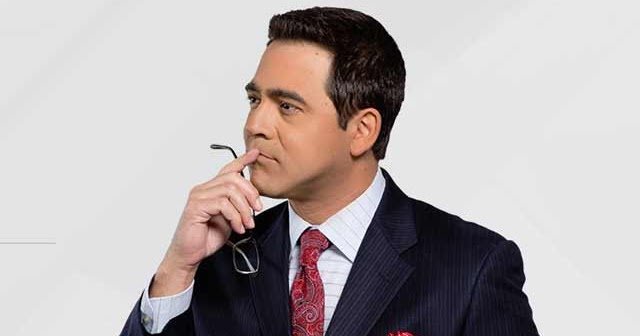
If you’ve tuned into Houston’s KPRC 2 any morning in the past twenty years, you likely know Owen Conflenti’s face. He isn’t just another anchor; he’s built both trust and a sense of consistency for viewers and the local business community alike. His recent departure has left people asking for facts and clear reasons. If you’re an entrepreneur, side hustler, or someone growing a brand, there are lessons to extract from how this veteran newsman is handling an impactful transition.
Below, you’ll find a step-by-step breakdown of what’s actually been said, what hasn’t, and what you can learn from his next moves.
What The Official Statements Say—And Don’t Say
When a well-known figure exits a longtime post, people expect details. In Conflenti’s case, the story has followed a straightforward—but tight-lipped—pattern. Both Owen Conflenti and the official KPRC 2 press team kept their public comments focused on gratitude, looking back at two decades of collaboration, and thanking the Houston audience for their loyalty.
No statement cited a contract issue, health concern, new employer, or internal dispute. The Houston Chronicle and several other outlets reported this clearly: “Neither the station nor Conflenti said why the anchor was leaving.” For anyone building a brand or navigating an exit, you can see the value of controlling your public message—even if that means saying less.
Set aside time early for your own exit planning. Draft messaging that protects your reputation, your next move, and your ongoing relationships. Don’t feel pressured to disclose information before you’re sure what serves you and your stakeholders best.
Timeline and Health Background
Clarity around timing always matters. People noticed that Conflenti took medical leave in late September through mid-October 2025 due to hernia surgery. He shared a few updates with viewers as he recovered, then returned to the morning anchor desk on October 13. Just weeks after settling back in, he announced that his time at KPRC 2 would end soon. Coverage points to his last day falling on October 31 or shortly after, with reports split between that date and November 1.
Should you interpret the recent surgery as the reason for leaving? It’s tempting to connect the dots, but the reality is more complicated. No source or official reply claims his departure was related to health; in fact, reporters took pains to make it clear there’s no proven link.
For anyone balancing work, life, and health, you may face similar rumors or assumptions. Be prepared: rumors and reality are rarely the same. Draft your statements and set boundaries around what you choose to share.
KPRC 2’s Programming Shakeup and Business Decisions
A business rarely moves a longtime anchor without several forces at play. After Owen’s exit, KPRC 2 made a shift in branding and programming, talking up a “strategic reworking” of their morning news. The stated goals: a faster-paced, more engaging, and modern viewer experience.
In this kind of scenario, stations sometimes look at economics and strategy together—especially if audience habits are changing or if costs are rising. Media blogs and local industry posts have speculated that veteran employees at KPRC were offered generous walk away packages as part of cost-cutting efforts. This isn’t official, but veterans across mid-2024 reportedly left under these buyout offers.
Meanwhile, the station named Daniella Guzman as the new morning co-anchor, setting a clear succession and signaling a desire for both continuity and change. If you’re running a business, watch for similar patterns: changes in leadership aren’t just about the people—they’re often about new priorities, cost control, and fresh positioning.
If you’re considering changes to your own venture, weigh both strategic flexibility and potential costs. Document the reasons behind your choices. This helps future-proof your team and protects your brand’s story down the line.
Owen Conflenti’s Next Chapter: Media, Family, and More
An exit is rarely an endpoint—especially for someone as driven as Conflenti. So what has he decided to do next? Here’s what you need to know, especially if you’re mapping a pivot for yourself:
– More family time: In interviews, Conflenti states he’s glad to push family back to the center of his life, noting how years of predawn shifts made meaningful moments tough to schedule. If you’re thinking about your own balance, consider how schedule flexibility can boost your energy and long-term sustainability.
– Pivot to production and podcasts: He’s already producing several podcast projects, including one with Houston Mayor John Whitmire and another focused on the Houston Rockets community. He also consults for Houston First, promoting the city’s assets—showing an immediate shift to multi-channel brand-building.
– Real estate license and acting: Never underestimate the value of multiple income streams. Conflenti earned a real estate license and now consults on building brand and voice for agents. He’s also noted his focus on acting for film and TV, and will continue growing a strong digital presence, especially on TikTok.
If you’re an aspiring entrepreneur or looking to pivot, this mix of consulting, production, real estate, and digital content can help reduce your personal risk and keep your income flexible. Start with a skills audit, then build a small project list you can test with real clients as you ramp down full-time commitments.
What Are The Possible Reasons Behind the Scenes?
Transparency is valuable, but so is strategic discretion. Since neither Conflenti nor KPRC 2 has publicly shared a clear reason, here are the pros, cons, and educated guesses on how such exits often play out—always respecting that these are inferences, not confirmed facts.
– Lifestyle and schedule reset: It’s tough to overstate the grind of two decades on morning TV. Public comments about spending more time with family make sense and reflect a growing trend: professionals are seeking energy, health, and balance alongside their business goals.
– Career growth and reinvention: Unlike some exits, this one is not a retreat. Instead, Conflenti moved quickly into new, entrepreneur-style ventures across several fields. This pattern matches that of business owners who’ve reached maturity and want new challenges—without the burnout risk.
– Potential business decisions at the station: Industry chatter argues cost-cutting and restructuring were in the mix, but without confirmation, only you can judge how likely this was. Still, if you’re managing your own exit or pivot, keep a close eye on the organization’s health and trends. Voluntary exits look better on your resume and keep doors open if you decide to return.
Set aside time early to review any walk-away offers, nondisclosure clauses, or repositioning plans. Any separation should protect your reputation, ensure compliance with local laws, and clarify next steps—especially if you’re shifting into consulting or another high-visibility industry.
How Should You Approach Your Own Exit or Career Pivot?
You may not have the local celebrity status of a TV anchor, but the same lessons apply. When planning your own professional change:
1. Review communication plans with mentors or advisers. Decide what you’ll share publicly and what remains private.
2. Separate your personal and business goals. List family, financial, health, and brand priorities. Which matter most? What are you willing to trade off right now?
3. Document your processes and track any compliance or legal requirements. If you’re starting a new business, confirm local licensing early—before investing in expensive equipment or time-consuming processes.
4. Test your new direction with a small pilot project, then scale if the feedback is positive. For example, you might start a podcast or offer a short-term consulting package before making it your primary work.
5. Use available resources. Consider reading guides on building service brands, like those at StartBusinessLabs, to clarify steps, checklists, and sample messaging as you reposition.
Conclusion: Staying Flexible, Focused, and Future-Ready
Owen Conflenti’s departure from KPRC 2 after twenty years is the kind of high-visibility pivot that raises many questions. So far, there’s no official answer to why he left—just a thoughtful pattern of gratitude, professional moves, and preference for privacy around the details.
His story, though, offers actionable lessons for founders, professionals, and emerging entrepreneurs alike. Focus on message control, consider your personal and professional trade-offs, and keep your next act as flexible and client-focused as possible. You may also want to track his follow-up interviews and podcasts for any direct quotes about his reasoning. Prioritize trusted resources and careful documentation at every step, so you protect your long-term career goals.
As you weigh your own moves—whether leaving a corporate seat or launching your side business—use these patterns to reduce risk, retain valuable relationships, and stay poised for whatever the next twenty years may bring.
Read Also: