
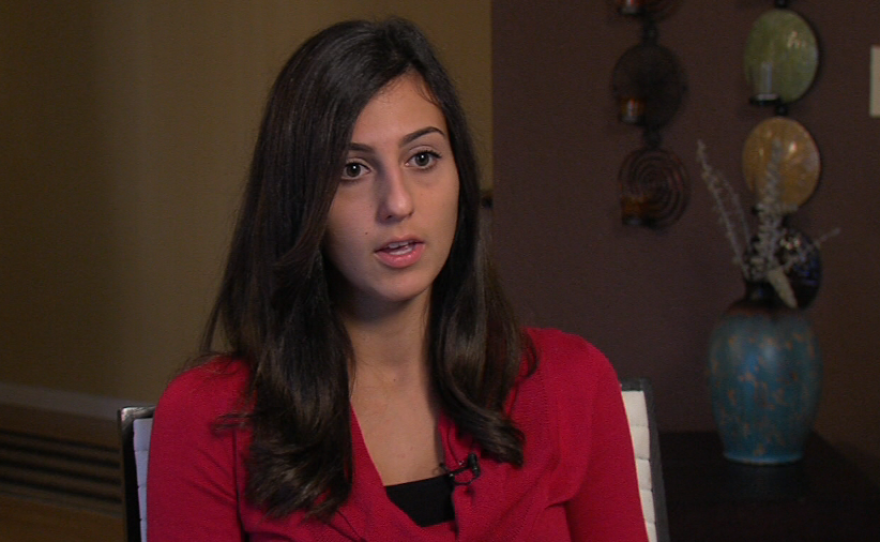
When you watch local news, it’s common to connect with anchors who deliver your daily updates. One anchor who’s built real trust with viewers is Heidi Alagha. Over a decade in TV news, she’s anchored morning and evening shows, asked tough questions, and shared local stories.
This year, Heidi made an announcement that surprised many: she decided to step away from her anchor role at Tucson’s KGUN 9. If you’ve wondered why she’s leaving, you’re not alone. Here’s what you need to know about her reasoning, her next steps, and what this means for anyone thinking about switching careers after years of hard work.
Why Is Heidi Alagha Leaving KGUN 9?
Let’s start with what’s clear. In a Facebook post celebrating 10 years as a news anchor, Heidi told viewers: “This will be my last week at KGUN. I’ve made the very difficult decision to hang up my dress and step away from being a news anchor.”
She didn’t point to any drama or single incident. She described her choice as personal, reflective, and voluntary. She looked back on her TV journalism career as “a long‑held dream,” noting there were “a lot of highs and a lot of lows.” This wasn’t a sudden move or a reaction to behind-the-scenes conflict. She took time to consider and plan her exit.
Heidi Alagha’s Own Words: A Personal and Professional Pivot
Anchors sometimes leave a job because of changes in contracts or newsroom shake-ups. That’s not what happened here. Heidi outlined her move as reaching both a milestone and a crossroads. Ten years is a serious commitment in any industry—especially one with frequent schedule changes, public scrutiny, and high expectations.
By marking her tenth anniversary, Heidi used this milestone as an opportunity to reflect. She wanted a change. After years on camera, she decided to put her personal and professional goals first, even if that meant the end of a familiar dream. For many business owners or professionals, reaching a decade often triggers that same question: what’s next, and does my work still fit my life?
What Comes Next: Heidi Alagha’s Career Change
Changing direction in your career takes planning—even more so after you’ve built a well-known brand. Heidi didn’t quit to take a break. Instead, she mapped out a plan for her next steps.
She’s now focused on real estate, offering her communication skills and public presence in a different field. She’s also started media consulting, digital content creation, and one-on-one communications coaching. If you’re considering a switch from corporate life or media to entrepreneurship or consulting, her approach can teach you a lot about making a smart, sustainable transition.
The key steps Heidi followed may apply to you as well:
- Assess Your Skills: Heidi transferred the strengths she developed (clear speaking, relationship-building, content creation) to her new work.
- Research Opportunities: She picked growing industries—real estate and digital content—where those skills are in demand.
- Prepare Financially: You won’t see her making risky moves. She likely planned for changes in income and workflow.
- Build Your Network: Heidi’s connections from TV news can become clients or partners in her consulting and real estate work.
Career pivots like this also mean learning new compliance and licensing requirements. In real estate, for example, you’ll need to get licensed locally and may need to join professional associations. If you’re adding consulting, set aside time early to confirm local licensing requirements before you invest in equipment.
Why Career Pivots Happen: Industry Pressures and Personal Choices
Heidi is not alone in her decision—and her story reflects a broader pattern in the news business. Over the last several years, many local news anchors and reporters have started looking for new paths.
The main industry stresses include:
- Erratic Schedules: Anchoring morning shows requires 2 or 3 a.m. wakeups. Evening or late news means missing family time.
- High Public Expectations: On-air mistakes or perceived bias draw immediate feedback online and in person. Anchors are always “on.”
- Downsizing and Shrinking Resources: Local TV news faces budget cuts, fewer staff, and more responsibilities for each person.
- Pressure to Be on Digital Platforms: In addition to live shows, anchors are now expected to post, respond, and “go live” on multiple platforms.
These factors add up. In Heidi’s case, people close to her say she had been considering a career shift for some time. If you’re in an intense or constantly changing field, use her example: take time to reflect before burnout hits.
When you notice the industry is evolving away from your own values or your lifestyle needs are changing, document your thoughts. Write down what matters to you and what drains you. Set up informational interviews with peers who’ve already made a similar move.
Separating Fact from Speculation
Whenever a public figure steps away, rumors often try to fill the silence. Online speculation has included everything from health concerns to hidden conflicts or pressure from station management. Here’s what you need to know: there is no verified report of a scandal, health crisis, or forced departure in Heidi’s case.
Her own words frame the decision as the end of a journey and the start of something new. Official statements from KGUN 9 don’t mention any negative reason for her exit either. As with any major career change, staying grounded in evidence protects both your reputation and your peace of mind.
If you are facing online chatter or office rumors when you announce your own career pivot, take a similar approach. Communicate clearly and directly. Focus on your future and your process instead of responding to every bit of gossip.
Colleague and Public Responses: Support, Curiosity, and Moving On
Most reactions from former colleagues have been positive and supportive. Newsrooms rely on shared resilience, and long-time anchors often set the tone for the entire team. Public comments highlight Heidi’s kindness, professionalism, and strong work ethic.
It’s common for former coworkers to keep in touch, especially in tight-knit, high-stress industries. If you’re leaving a job after years, consider how you want to handle ongoing relationships. Do you want to collaborate on projects? Will you act as a mentor or consultant for people still in your old field? These are choices to weigh deliberately.
Some viewers expressed disappointment or concern, but many more wished her luck in her new ventures. As with any company’s leadership change or product pivot, clear communication and follow-through are key. Others may also want to know what your next steps are, and why—prepare to articulate your vision succinctly, even if some details are confidential.
Lessons for Professionals and Entrepreneurs: Planning Your Next Phase
If you are a startup founder, corporate professional, or early-stage solopreneur, Heidi’s approach offers a few practical lessons:
- Review Your Milestones Regularly: Major anniversaries or the end of a project can prompt a healthy review of what’s next.
- Separate Personal and Professional Goals: Review your priorities yearly. Maybe your needs outside of work have evolved.
- Explore Adjacent Fields: Skills from media, sales, or corporate jobs are useful in consulting, real estate, or content creation.
- Prepare for Transition Risks: Save for the possibility of slim months. Get compliant with new industry standards early on.
- Document Your Decision-Making Process: This helps you stay focused and guides conversations with family, partners, or teams.
Be sure to consult a professional before making major financial or business changes—regulations, taxes, and contracts may be quite different in your new industry. For step-by-step advice on business transitions, visit Start Business Labs for compliance tools, resource lists, and planning checklists.
Final Thoughts: How to Manage a Planned Career Shift
When a high-profile professional like Heidi Alagha steps away from an established role, the process is rarely simple. It means asking hard questions, facing public and private reactions, and forming a new identity. You can learn from her transparent, methodical, and generous approach.
Review your motivations honestly. Make a detailed plan for both skills transfer and financial changes. Assess your network and stay responsive to supporters and colleagues. The best career changes are grounded in research, realistic assessments of market demand, and robust documentation.
Heidi’s next steps—in real estate, consulting, and digital media—show you can shape work to fit your life, not just the other way around. With intention and preparation, you make more confident choices and avoid chasing trends or reacting to rumor.
Whether you’re thinking of leaving a job after a decade or launching a new business from scratch, take inspiration from Heidi’s journey. See this stage not as a loss, but as a well-chosen pivot grounded in your experience, values, and evolving ambitions. That’s the best path to long-term fulfillment and growth.
Read Also: