
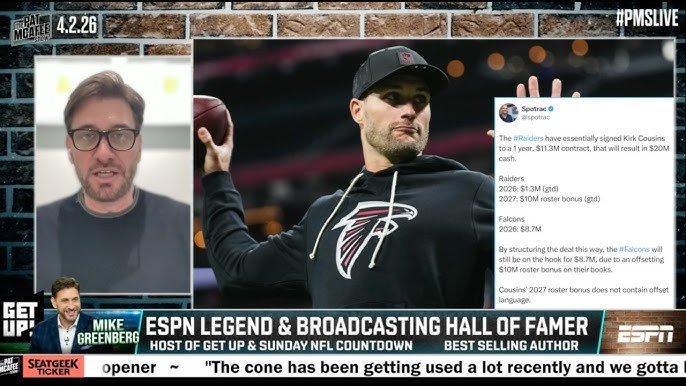
Mike Greenberg has been one of ESPN’s most recognized voices for more than two decades. If you’ve caught headlines or social media chatter lately, you might wonder, “Is Mike Greenberg really leaving ESPN?” This guide will clarify what’s happening, why his role is changing, and what you can expect moving forward.
Here’s what you need to know: Mike Greenberg is not leaving ESPN entirely. He is stepping away from his daily ESPN Radio show, #Greeny, but continues as host on leading TV properties for the network. Knowing the difference can save you time—and, if you’re a business owner or leader, it’s a strong reminder about prioritizing commitments before burnout hits.
What Exactly Is Greenberg “Leaving” at ESPN?
Media reports and social buzz often jumble several events together. To make smart decisions in business and life, it helps to separate the facts. Here are the three transitions</strong most people are referring to when they talk about Mike Greenberg “leaving” something:
- 1. Leaving #Greeny (ESPN Radio): In early 2025, ESPN is ending the #Greeny radio show in the 10 a.m.–noon Eastern slot. Clinton Yates will take over this slot with a new program. Greenberg says this move is about his workload—not about quitting ESPN. You can see him daily on TV as usual.
- 2. Ending “Mike & Mike” (2017): If you go back to 2017, Greenberg left the popular radio show “Mike & Mike” after 17 years. This shift coincided with his move to host a new ESPN TV show, now known as “Get Up.” The decision was partly career growth, partly company restructure.
- 3. Studio Changes for “Get Up” (2024): A recent “farewell” segment from the Seaport studio led to rumors that “Get Up” was canceled. In fact, only the physical studio changed. Greenberg still hosts as usual; only the set location moved within Manhattan.
If you run a business, this level of clear sorting is worth using for your own team and customer updates. Confusion grows quickly when you mix roles, platforms, or changes.
Why Is Mike Greenberg Leaving ESPN Radio Now?
The central reason is simple: workload. Greenberg himself says he’s stepping away from radio because his schedule is no longer sustainable. Over the past few years, he’s been working seven days a week during football season, balancing:
– Get Up (morning TV, Monday through Friday)
– Sunday NFL Countdown (TV, weekends)
– #Greeny radio (weekdays)
– The First Draft podcast (with Field Yates and Mel Kiper Jr.)
– Saturday production meetings for Sunday NFL Countdown
With this much on his plate, even Greenberg’s energy had a limit. He explained: “Something had to give in my schedule. I just couldn’t do it.” He’s been upfront about loving radio and wanting to return in the future, but right now, this is a conscious trade-off for his health, family, and long-term work with ESPN.
You may also face a similar crossroad running your business. Sometimes the best competitive move is to cut—even cut something you enjoy—to protect long-term priorities.
Greenberg’s Current Role at ESPN: Still at the Center
Greenberg is staying at ESPN, with his main energy focused on two major TV roles:
- Get Up (Weekday mornings): Greenberg anchors this show, often leading discussions with ESPN’s leading analysts and insiders. His daily presence is secure, and there is no indication of a change here.
- Sunday NFL Countdown (Fall/Winter weekends): He hosts this flagship NFL pregame show, working alongside senior ESPN talent and former NFL players. This role makes him one of ESPN’s highest-profile anchors on game day.
Add in special projects and podcasting—like the “First Draft” series around the NFL and draft season—and you see why trimming radio is sensible. The result is a rebalanced workload, not a departure. When you assess your own capacity as you scale, consider where your presence adds the most value. For Greenberg, TV is the priority.
Looking Back: From “Mike & Mike” to “Get Up”
Understanding how Greenberg got here helps clarify the present. He started with “Mike & Mike” in 2000—a two-man show that became an ESPN morning ritual. By 2017, ESPN decided to move him to a new TV project, turning “Get Up” into another signature franchise.
This shift came amidst company restructuring and layoffs. But for Greenberg, it was also a career step, bringing him to TV as a daily anchor. Since then, he’s become more valuable to ESPN, not less. If you ever rework your team or business model, it’s useful to document how transitions are tied both to personal growth and company strategy.
What Happened with “Get Up”? Dispelling Rumors
One reason for the confusion is a recent studio change. People saw Greenberg’s on-air goodbye to the Seaport studio and assumed that “Get Up” itself was ending. ESPN quickly clarified that the show was just moving locations and would continue as usual. Greenberg remains the anchor; only the background is different.
If you’re in marketing or communications, it’s a real-world example of how easy it is for one “farewell” message to spiral beyond its real intent. Evaluating customer messages for clarity—and following up with specifics—helps stop rumors before they start.
Digging Deeper: Why End #Greeny Now?
Beyond Greenberg’s personal explanation, there is broader context worth considering. ESPN has been cutting costs and reshuffling radio and TV lineups. With the network facing high sports rights bills—especially after a giant new NBA contract—and previous years’ layoffs, ESPN is refocusing resources on its most consistent and high-profile talent.
From June to August 2023, Greenberg hosted only 5 of a possible 66 #Greeny shows, according to one review. That raises valid questions for any manager about consistency and payroll. Radio needs a reliable live host each day, which became hard for Greenberg with his TV schedule. By moving Clinton Yates into the radio slot, ESPN can simplify programming and costs, while giving Greenberg relief—and letting him concentrate where he adds the most value.
For business owners, this is a strong case study in the benefits and risks of multitasking. Sometimes, combined roles look good on paper but create bottlenecks and lower quality in practice.
Bigger Picture: How ESPN Is Evolving
What’s happening with Greenberg also fits a larger pattern at ESPN. The company is moving to:
– Reduce on-air schedule inconsistencies
– Lower costs as big sports rights fees grow
– Put high-profile talent where it matters most (prime TV slots)
– Create new content to keep radio fresh and audience-focused
If you’re planning to scale or pivot, pay attention to lineup and cost management versus talent workload. Compare your most valuable offers against where you—or your team—are stretched too thin.
ESPN is betting that investing in fewer, bigger-audience shows makes more sense than spreading top talent over too many platforms. You may find this is often true in your business, especially as you grow from hands-on founder to leader.
Is Mike Greenberg Leaving ESPN Altogether?
No. All reputable news sources agree: Greenberg is not leaving ESPN or moving to a competitor. He’ll continue to be a daily face on Get Up, stick with Sunday NFL Countdown, and keep working on dedicated ESPN projects and podcasts.
If you come across articles saying otherwise—like claims he’s defected to another network—treat these with healthy skepticism. Industry veterans and ESPN itself report he’s staying, just switching up his daily workflow. Staying on top of trusted reporting, not eye-catching rumors, will help you cut through noise in your own industry.
Greenberg’s Future: He Says He’ll Return to Radio When Ready
Despite the workload, Greenberg calls radio his first passion. He’s said he expects to go back to radio at some point. This sets up a common pattern for successful professionals and business owners: Set boundaries now, regroup, and keep the door open for a future return when conditions fit.
Whether you’re planning a sabbatical or weighing if you should pause a project, Greenberg’s path is a good reminder to be transparent about your reasons, document your timeline, and be clear about how colleagues—or the business—will fill the gap.
Summary: The Real Reasons Behind Greenberg’s Radio Exit
If you see headlines or hear chatter about Mike Greenberg “leaving ESPN,” keep these facts in mind:
- He is leaving the daily #Greeny radio show because his schedule with daily TV, weekend NFL, podcasting, and meetings is unsustainable.
- He remains one of ESPN’s top TV anchors, both on “Get Up” and “Sunday NFL Countdown.”
- This change gives Greenberg his first real break in years, while ESPN refreshes its radio lineup and manages costs.
- He left “Mike & Mike” in 2017 for a new challenge on TV, not due to a breakup with ESPN.
- No solid evidence supports a full departure from ESPN. Ignore rumors to the contrary—from your own research, stick with leading news outlets and clear company statements.
As you manage your own workload or refine your business strategy, the Mike Greenberg transition is a textbook example. Schedule conflicts—even among headline talent—require regular review and sometimes tough cuts. Documenting your process and being clear with stakeholders strengthens trust and keeps operations moving. If you want more resources on maintaining clear communication and workflow as you scale, consider reviewing the support available at StartBusinessLabs.com.
In any major decision, focus on your most valuable roles, keep lines of communication open, and set aside time to review priorities each quarter. That’s how both broadcasters and business owners build careers—and companies—that last.
Read Also: