
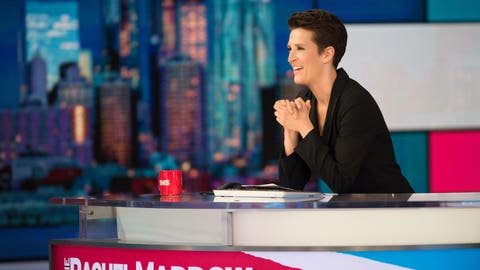
Setbacks and transitions happen in every field, including media. If you’ve been watching Katie Fang’s weekend morning program “The Katie Phang Show” on MSNBC, you may have heard the news: her show was canceled as part of a larger network restructuring. This decision has left viewers and business owners alike asking why these changes occurred and what Fang’s next steps look like at MSNBC.
Here’s a clear, step-by-step explanation of what’s happened, why Fang is shifting roles, and what you can expect going forward. If you’re someone who follows trends in media, cares about workplace representation, or simply values concrete facts before reacting, set aside a few minutes to read on.
Background on “The Katie Phang Show”
“The Katie Phang Show” launched on MSNBC in 2022. It was a weekend program anchored by Katie Fang, focusing on legal analysis, in-depth interviews, and trending news. Her show brought a different perspective to MSNBC’s weekend mornings by spotlighting key legal developments and opening up thoughtful conversations about democracy, civil rights, and business.
Fang’s program stood out for several reasons. As one of the only Asian American Pacific Islander (AAPI) hosts to anchor a show named after herself on cable news, she filled a gap in representation. Her background as a legal analyst and her Miami-based reporting gave her program a fresh regional flavor and often shed light on overlooked communities.
If you watched the show, you likely noticed a consistent commitment to featuring more AAPI voices than most cable news programs, which Fang proudly pointed out in her public statements. For many viewers—especially younger professionals, business founders, and those seeking inclusive commentary—her show represented an important step forward for mainstream media.
Reasons for the Show’s Cancellation
Understanding why a show like this gets canceled isn’t always straightforward. In this case, Fang’s exit from her anchor role wasn’t about on-air mistakes or any personal controversy. The change was due to a wider shake-up at MSNBC—one that affected multiple well-known hosts.
In early 2025, MSNBC underwent a significant overhaul of its daytime, primetime, and weekend schedules. This programming shift was led by new network president Rebecca Kutler. Kutler’s leadership marked a period of restructuring, reportedly aimed at streamlining operations, consolidating programming in major production hubs like New York and Washington, and possibly controlling costs.
Several other popular programs also ended during this period. This included shows by hosts like Joy Reid (weekday evenings), Alex Wagner (primetime), Jonathan Capehart, and Ayman Mohyeldin (weekends). That context may calm some concerns—Fang’s show wasn’t singled out, and many established hosts were impacted as the network tried to remake its line-up.
Some industry watchers suggested that overall ratings and budget pressure could have played a role, but MSNBC’s official explanation has stayed broad: a programming reshuffle and operational realignment.
Was This Fang’s Decision?
When a host departs or shifts roles, some viewers wonder if it was a personal choice or a forced move. Here, the reporting is clear. Katie Fang did not ask to leave her anchor role. The end of “The Katie Phang Show” was driven by network-level decisions.
MSNBC has not given an in-depth public reason for each show’s cancellation. But both internal memos and outside reports verify that this was part of a top-down strategy, and not reflective of the hosts’ performance or public missteps.
As you plan your own business transitions or consider risk management, this is a reminder: sometimes even strong performance and positive feedback do not prevent big change when leadership shifts its priorities. Your role or product might be altered not by your own actions, but because of larger strategic pivots.
Katie Fang’s Reaction: A Personal and Professional Response
Fang’s public response was both heartfelt and professional. When she learned her show was being canceled, she admitted feeling “stunned.” She shared her initial reaction through a “personal note” on X (formerly Twitter) and followed up with an emotional on-air goodbye.
During her last broadcast, Fang took time to thank viewers, her team, and her family. She tried to underline the show’s impact, saying she was “proud to platform more AAPI voices than any other cable show ever.” Her statements didn’t hide the disappointment, but she stayed focused on her values, especially the visibility and representation of the AAPI community on national television.
You can learn from her approach: when facing a difficult transition, acknowledge your feelings, focus on what worked, and express gratitude. She also encouraged her audience by highlighting that “representation matters,” which aligns with what many early-stage founders or professionals know about serving underrepresented markets or clients.
Continuing Role at MSNBC: Legal Correspondent
If you’re a regular viewer or someone who tracks leadership and talent moves, here’s the answer to a common question: Is Katie Fang leaving MSNBC for good? The answer is no.
Fang will remain at MSNBC in an ongoing role as a legal correspondent. This position lets her provide legal analysis and commentary across the network’s shows. While she no longer has her own anchor slot, her expertise won’t fade from MSNBC’s airwaves.
For people navigating career shifts, her example is practical. When one part of your role ends, look for ways to continue using your skills in a different but valuable format. Fang’s shift may offer more scheduling flexibility, a wider reach across multiple programs, and ongoing relevance as legal and political stories unfold.
New Ventures: Exploring Platforms Beyond Cable News
Many professionals don’t stop at one platform. After her weekend show’s cancellation, Fang quickly looked for other ways to connect with her audience. She partnered with MeidasTouch, a digital media group, to launch a new show on YouTube.
This move allows her to continue hosting conversations about news, law, and social justice, but now with fewer limits on format and guests. The freedom of online platforms can give entrepreneurial personalities and subject-matter experts an experimental space—an approach you might also consider if you’re pivoting away from a legacy channel or brick-and-mortar operation.
Starting something new, like a video series or podcast, often means testing different content styles and interacting with a fresh audience. If you’re launching your own online project, remember to separate business expenses, check intellectual property rules, and protect your brand reputation from the start. You may find the model used by Fang instructive: partner with established networks to share resources, leverage existing audience reach, and build credibility more quickly.
For practical business resources that help minimize risk as you expand or adjust where you publish content, review compliance checklists such as those you’ll find at Start Business Labs. This can help you document your workflow, confirm content licensing, and protect revenue streams as you scale.
Diversity, Representation, and the Broader Debate
One main topic that’s emerged around Fang’s cancellation is the importance of diversity in media. The programming shake-up at MSNBC didn’t just affect Fang—it also reduced the number of non-white hosts with their own shows. Some industry commentators called this a move toward a “whiter, more centrist” lineup.
Fang herself, as well as advocacy groups, have highlighted the loss of her show as a setback for AAPI representation on mainstream TV. According to her public statements, she was determined to bring on “brilliant guests” and raise diverse perspectives, showing audiences examples of success, struggle, and innovation from the AAPI and other underrepresented communities.
If you manage a business or team, use this story to evaluate your own approach. Consider whose stories are included, who gets a platform, and how you can document and demonstrate your progress on inclusion. Representation isn’t just a buzzword—it shapes trust with customers, improves decision-making by incorporating broader viewpoints, and aligns your work with current expectations from clients and employees.
Be sure to document your hiring and promotion practices, consult professionals about anti-bias measures, and seek feedback from those affected by your policies. Real impact is built through ongoing work, not a single program or headline.
Final Thoughts: Change, Opportunity, and What’s Next
If you’re wondering what this transition really means, boil it down to these facts:
– Katie Fang’s weekend anchor show ended because MSNBC’s new leadership restructured its programming.
– The decision wasn’t driven by performance issues or Fang’s wishes—it was a strategic, network-level move.
– Fang will stay at MSNBC as a legal correspondent, and she remains involved in media via outside work, such as her YouTube show.
– The shake-up has drawn criticism for reducing on-air diversity, especially for AAPI viewers who saw Fang’s presence as vital.
– For business owners and professionals, Fang’s journey offers lessons in resilience, embracing new platforms, and spotlighting inclusion.
If you’re facing changes in your own business—whether that’s a pivot, downsize, or shift in leadership—set aside time to coordinate your goals, consult with mentors, and explore new opportunities. Change may come with real risks, but as Fang’s case shows, it can also clear the way for skills to shine in new formats and reach new partners or audiences.
If you want to document your next steps and reduce compliance risks, tools like those at Start Business Labs can help you organize and protect your progress through times of transition.
Sometimes strategic shake-ups reshape the work you do. By focusing on your strengths and values, you can stay visible and keep making a difference—just as Katie Fang continues to do on and off the air.
Read Also: