
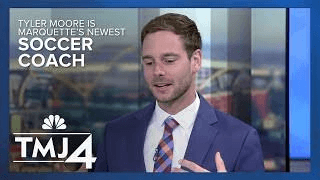
When you work in media—especially television—you face long, unpredictable hours. That pressure can affect your health, personal time, and even your sense of purpose. Tyler Moore, TMJ4’s morning meteorologist from December 2023 to July 2025, understands this better than most. In July 2025, Moore announced he would be leaving his on-air role at TMJ4. He decided to move in a new direction within meteorology—one that promised greater control over his schedule and well-being.
Moore’s decision echoes a pattern you might recognize in your own life or business: weighing the security and visibility of a high-pressure job against your personal and family needs. As we’ll see, the reasons behind his career shift are both practical and relatable for anyone juggling demanding work with the pursuit of a balanced life.
Reasons Behind the Decision
You often hear people say, “Television is glamorous.” If you’ve peeked behind the curtain, you know it’s rarely true. TV news runs on strict deadlines, last-minute changes, and early-morning or late-night broadcasts. For meteorologists like Moore, this means prepping forecasts before dawn, appearing cheerful on air, and staying alert during severe weather no matter the hour.
Moore described TV as “a struggling and demanding career,” and he wasn’t exaggerating. If you run a business or lead a team, you know how sustained irregular hours can wear you down. You may reach a point where you ask: Is this pace sustainable for me and my loved ones?
In Moore’s messages, he said he was searching for “better work-life balance.” This isn’t just a buzzword—it’s an honest need to set boundaries and be present for friends, family, and simple routines like home-cooked meals or regular sleep. Over time, these factors can tilt your priorities toward options that give you stability, even if it means giving up the spotlight.
Public Statements from Tyler Moore
It’s helpful to look at how Moore himself described his career pivot. In a public Instagram post dated July 19, 2025, he explained the tough side of TV. He wrote, “TV is a struggling and demanding career, and the hours and the struggle of work-life balance is something I will not miss.” When someone in a visible profession admits such challenges, it gives others—maybe even you—permission to make similar choices without guilt.
But Moore didn’t leave his post with bitterness. He emphasized how much he valued his relationships at TMJ4, saying he would miss the “morning team and Storm Team 4 crew.” If you’re leaving a job you love but that doesn’t fit your life anymore, this approach can help preserve trust and goodwill.
Moore kept his followers—and anyone considering similar moves—in the loop. He confirmed, “I will still be in the field of meteorology, just in a different industry.” This shows you don’t have to change your core skills or passions to get a better fit. Sometimes, transferring what you know to a new context is exactly what brings relief.
Transition to a New Role
Changing jobs, especially into a new corner of your field, isn’t always about leaving something behind. Often, you’re building on your experience in a way that works better for you. In Moore’s case, he found a role as an Aviation Meteorologist at Southwest Airlines. According to his LinkedIn, he started this job in August 2025, right after finishing at TMJ4.
So, what changes when you go from TV meteorology to aviation meteorology? Many aspects of forecasting remain, but the atmosphere is different—literally and figuratively. In aviation, your primary “clients” are pilots, airline staff, and passengers, all relying on precise, timely weather information for safe travel. The stakes remain high, but the audience is narrower and the schedule is often more predictable.
Moore made this switch in a single month. For professionals and founders, this pace is reasonable: line up your new position before you announce your departure, and give your current team clear notice. Moore’s move demonstrates solid planning and timing—a playbook you can replicate in your own career shifts.
Impact on TMJ4 and Replacement
A high-profile exit always affects the team you leave behind. TMJ4’s leaders had to plan carefully for Moore’s departure to avoid disruptions to their morning broadcast. In late June 2025, TMJ4 publicly announced Moore’s upcoming transition and immediately introduced meteorologist Bryan Johnson as his permanent successor.
If you manage transitions in your business, this is a good model to follow. Communicate transparently with your staff and audience. Announce departures ahead of time. Share who will fill the role next and how your processes will adjust to keep service running smoothly.
Bryan Johnson, already known to TMJ4 viewers, moved into the morning meteorologist role with minimal delay. This quick handoff kept viewers informed and maintained continuity for the Storm Team 4 brand. In your own company or startup, having a documented succession plan—and a pool of trained talent—will ease the stress of sudden workforce changes.
Analysis of Career Shift
Switching from a high-visibility TV position to a behind-the-scenes meteorology job is a clear trade-off: less fame and urgency, but better predictability and personal time. For Moore, the move to aviation meteorology at Southwest Airlines means a more regular schedule and work setting. Instead of monitoring weather to broadcast in real time for a large region, he now focuses on the direct needs of an airline and its passengers.
There are lessons here for you as a business owner or career-switcher. First, identify what you value most at this stage—is it excitement and recognition, or routine and balance? Second, look for roles or markets where your core expertise meets those priorities. Aviation meteorology is one example, but every field has “niche” roles that offer better alignment for certain people.
Consider this: You may need to forgo certain perks (like public visibility or flexible work-from-home policies) in exchange for things that matter more to your lifestyle. Ask yourself what “success” means to you—then set your direction accordingly. As Moore’s experience suggests, the best fit changes as your career and life evolve.
Clarifications and Rumors
Whenever a public figure leaves a TV job, people speculate: Was there a scandal? Was he fired? Did ratings drop? In Moore’s situation, the facts are clear—there was no conflict, scandal, or performance issue behind the change.
All statements from Moore and TMJ4 frame this as a personal decision rooted in lifestyle need, not as the result of negative events. This honesty can set your mind at ease, whether you’re a viewer, a client, or thinking about your own next steps. Separating truth from rumor helps you make strategic decisions without distractions.
If you find yourself or your business subject to similar speculation, follow Moore’s example. Communicate directly. Be specific: state your reasons, share your goals, and clarify your continued values. Transparency builds trust, even when change is involved.
What to Consider When Changing Careers
If you’re inspired by Moore’s confident move but wonder how to shape your own career pivot, consider these steps:
– List the pros and cons: What do you gain and lose by changing jobs or industries?
– Audit your skills: Which strengths will transfer easily? Which gaps will you need to address?
– Network thoughtfully: Connect with people already working in your target industry. Ask about schedules, typical stressors, and path to advancement.
– Prepare your finances: Some pivots (not Moore’s, in this case) may involve temporary pay cuts or new costs, so plan for this buffer.
– Communicate openly: As Moore did, explain your decision to those affected—colleagues, clients, friends, or family.
Most pivots aren’t risk-free, but a stepwise approach reduces uncertainty. Use resources like professional organizations, career groups, and platforms such as Start Business Labs to map requirements or test your new direction before jumping all in.
Conclusion: Looking Ahead
Tyler Moore’s decision to leave TMJ4 and step into aviation meteorology at Southwest Airlines is not just a personal story—it’s a practical lesson in managing your career on your own terms. By prioritizing health, balance, and predictable hours over public recognition, he’s created a work life more in line with his goals.
For those of you wrestling with similar trade-offs, remember that it’s possible—and often healthy—to redefine what success means as you grow. Be honest about the realities of your current role. Research the industries and alternatives that align with your new priorities.
Stay connected to professionals like Moore who model clear communication and thoughtful transition. Follow Moore on his social channels for updates about his role, and consider taking your own proactive steps toward sustainable work and greater satisfaction. Whether you manage a team or your own business, setting boundaries and exploring new markets may be the best next move for your long-term success.
Read Also: