
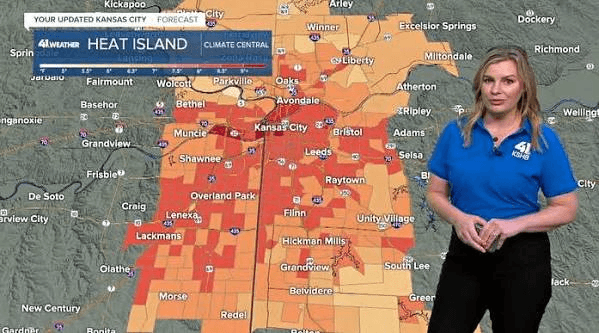
Set aside a few minutes to get up to speed on a local news change that’s quietly affected viewers and small business owners across Kansas City. Here’s what you need to know about meteorologist Cassie Wilson’s exit from KSHB 41, how staff cuts can shake up local media, and what this means if you depend on regional coverage for weather-sensitive operations.
Cassie Wilson’s Role and Impact at KSHB 41
Cassie Wilson joined KSHB 41 in December 2022, stepping in as a meteorologist for the E.W. Scripps Company—the parent behind KSHB’s Kansas City newsroom. Over her tenure, she reported on storms, severe weather, and those everyday forecasts that local businesses and families rely on to plan ahead.
Most viewers noticed Cassie’s approachable delivery and the solid advice she gave about preparing for unpredictable Midwest conditions. If you run a side hustle or manage a site crew, you probably tuned into her updates for actionable info before scheduling jobs or events. Her presence offered a sense of reliability, especially given the region’s volatile climate.
So when news spread that Cassie was leaving, it sparked real concern about the future of the station’s weather coverage—especially for those whose businesses depend on timely reports.
Wilson’s Announcement and Local Reaction
The first public note of Cassie Wilson’s departure came quietly: She posted on her Facebook page that “this is her final week” at the station. If you follow local media threads or Reddit discussions, you’ll see loyal viewers expressing shock, disappointment, and a wish for her next chapter to go well.
Why the strong response? For many Kansas City residents and entrepreneurs, losing a trusted voice in local media can feel like losing a key advisor from your own team. It’s common for community members to wonder how departures like Cassie’s will affect the accuracy and depth of weather reporting, especially when they have real financial stakes in the forecast.
The Reasons: Restructuring, Staff Cuts, and Budget Pressures
So why is Cassie Wilson leaving KSHB? Here’s the blunt answer: No detailed official statement has been published, but nearly every sign points to ongoing staff cuts and cost-saving moves at KSHB’s parent company, E.W. Scripps.
If you scan trusted industry boards or local forums (the Kansas City Reddit thread offers a good example), a bigger picture becomes clear. Scripps, like many local broadcast companies, is tightening budgets and reducing staff numbers in multiple departments. At KSHB, this means the weather team has reportedly shrunk to just three professionals—a setup that raises realistic concerns about burnout and the ability to maintain extensive, locally relevant coverage.
This trend isn’t unique to KSHB, but the effects can be especially noticeable in regions where severe weather coverage is a genuine safety issue. For business owners and families alike, less manpower often means less hyper-local detail, fewer on-the-ground updates, and less time for educational or “explain the science” segments that help you prepare with confidence.
KSHB’s Weather Team in Transition
Cassie Wilson isn’t the only meteorologist to exit KSHB lately. Over the past year, several familiar faces have either left for career changes, taken on other media jobs, or been affected by internal restructuring initiatives. If you track the coverage, you’ll notice more reliance on fill-in anchors and fewer live segments with in-depth breakdowns—clear signs that the team is in the middle of major adjustment.
Here’s why this matters for you: When a newsroom loses experienced staff, it often takes months for new hires and new systems to restore former coverage levels. There’s also the risk of compounding burnout—when fewer meteorologists have to cover more shifts, accuracy and energy can suffer. For those managing outdoor events, job sites, or delivery routes, even a small delay in weather alerts could mean costly disruption.
Be sure to set expectations with your team about changing news routines; this is the time to have backup weather sources and validate data before making logistics decisions.
What Hasn’t Been Said: No Official Statement or Personal Explanation
Sometimes, a public departure sparks rumors or speculation about scandals, disciplinary issues, or personal controversies. That’s not the case here. As of now, neither KSHB nor Cassie Wilson has released a detailed statement explaining her decision or outlining any next career steps.
There have been no verified reports of personal conflict, contract issues, or misconduct—just the reality that newsrooms are under financial pressure and difficult choices are being made behind the scenes.
If you’re curious about her future plans or hoping to reach out, you may find that her professional profiles still list her KSHB role as current. You could contact her directly if you want—just be respectful and understand that on-air staff don’t always have the freedom to discuss the internal decisions of their employer.
How Staff Cuts Affect Small Business Weather Planning
You may wonder, “What’s the practical risk if my go-to weather reporter is replaced or the team is cut in half?” Here’s a checklist you can use to respond to these staffing shifts:
- Timeliness: A smaller team may mean slower updates during severe weather, so don’t rely on one source for emergency info.
- Local Detail: National feeds are efficient, but they often miss neighborhood-specific threats (like microbursts or flash flooding on targeted city blocks).
- Continuous Coverage: Fewer staff can interrupt 24/7 live reporting during major weather events, so prepare alternative sources for critical days.
- Community Connection: Meteorologists local to your area often tailor their advice to local risks—rotating teams may not have this insight.
Be sure to adapt your plans by bookmarking several weather apps, using notifications, and considering basic backup gear if your work depends on pinpoint weather alerts.
What the Community Says—and What Comes Next
Audience members across Kansas City have shared real concern about the shake-up. Many note that KSHB’s newscasts now feel “less locally produced,” with less personality and more reliance on template-driven national stories. Some business owners, especially in construction or event planning, mention adapting their workflow—checking two or three sources before finalizing the day’s plans.
If you work in a field where every hour of warning can protect assets or keep workers safe, set aside time early to confirm you have reliable weather data—both from what’s left of the local team and your favorite digital resources.
Looking at industry cycles, most stations rebuild their teams after initial cuts. This can mean new faces, more automation, or a renewed focus on digital weather platforms. If you’re running a business, even a side project, monitor these trends. You may also want to check professional business resource hubs like StartBusinessLabs.com for action guides on risk planning and contact info for key service providers.
What Should You Do If You Rely on Local Weather Coverage?
If you make operational decisions based on morning forecasts, set a recurring reminder to review multiple sources at least twice daily. Document your typical weather-sensitive calls (delays, reschedules, outdoor meetings) and note which ones depend on KSHB’s updates.
Next, identify gaps where the forecast no longer feels as localized or timely as you need. You may want to join local business groups or city forums to crowdsource alternate sources or direct questions to meteorologists still working in the area.
For peace of mind, keep Cassie Wilson’s professional contact information handy, especially if you’re interested in following her next moves or collaborating with her in a freelance or consulting context. Professional directories still show her in her KSHB position as of 2025, but roles in media can change quickly following rounds of restructuring. When in doubt, verify everything directly before committing to operational changes.
Conclusion: Recognizing the Risks and Finding New Solutions
Cassie Wilson’s departure from KSHB 41 is just the latest sign that local media—even weather coverage—is under pressure from budget constraints and restructuring. This isn’t just a behind-the-scenes broadcast story; for side hustlers and business owners, who rely on these experts for accurate updates, the changes are concrete and immediate.
In general, the current evidence does not point to personal controversy or public missteps. Staffing reductions at KSHB and Scripps Media appear to be the key reason for Cassie Wilson’s exit. The weather team, now smaller, may struggle to deliver the same hyper-local coverage that Kansas City viewers expect and need.
If your business or family depends on the forecast, be sure to expand your list of reliable sources, review your weather protocols, and document any changes you make to adapt. If you have specific questions or want to wish Cassie Wilson success in her next steps, reaching out via her professional channels remains an option.
Stay proactive, keep your contacts up to date, and treat media transitions as a prompt to strengthen your risk management strategies—whether that means verifying forecasts, consulting with pros, or joining local business networks for community-sourced alerts.
For entrepreneurs and small business owners, every edge matters. Understanding and preparing for changes within your local news ecosystem protects your time, your team, and your bottom line.
Read Also: